Testing for Nutrient Availability: The Value of Biological Soil Testing
Summary of what you'll find
We have all been there. Nutrients are applied, but crops aren’t performing the way you expected. Maybe it’s an issue with nutrient levels, but just as often, the challenge is actually nutrient availability.
Traditional soil tests tell you how much nitrogen, phosphorus, potassium and other nutrients are present in the soil. But they don’t tell the whole story. Nutrients like nitrogen can be in the soil without being readily available to crops when they’re needed most.
That’s where soil biology comes in.
The soil’s microbial community plays a critical role in nutrient cycling, helping convert nutrients into plant-available forms. Biological soil testing is giving growers a new way to understand that process and evaluate how effectively their soils are at transforming nutrients for plant uptake.
What biological soil testing is
Biological soil testing measures the activity of living organisms in the soil and their capacity to cycle and convert nutrients into their plant-available forms.
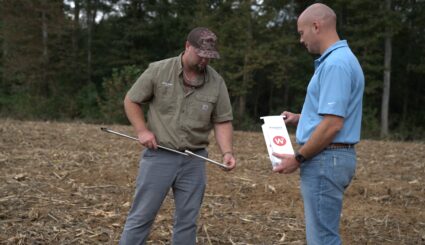
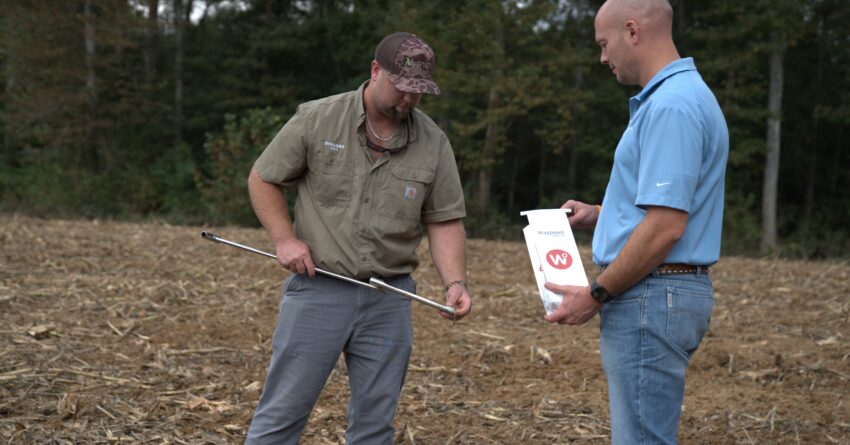
Elizabeth French, the Soil Biology Manager at Waypoint Analytical, recently joined The Dirt PodKast from eKonomics to discuss how biological soil testing is helping growers better understand what’s happening below the soil surface.
These tests can identify and measure groups of organisms involved in nutrient cycling, including:
- Nitrogen-fixing organisms
- Phosphorus and potassium-solubilizers
- Carbon-fixing algae
Together, these measurements give you a clearer picture of the organisms in your soil and their capacity to transform nutrients into forms that crops can readily absorb.
What biological soil testing can tell you
A biological soil test offers a broader picture of overall soil health than traditional soil testing alone.
Depending on the lab and the test, results may include measurements of:
- Total bacteria, fungi and algae populations (on a scale of 0-100)
- The microbes that transform nitrogen, phosphorus, potassium and sulfur
- The organisms that affect nitrogen availability and losses
- Carbon cycling capacity
This information is designed to help you see where the levels are and better understand how your soil biology can influence nutrient availability throughout the season. The insights will help you make better decisions for both the current crop and long-term soil productivity. For example, understanding the presence of microbial communities that influence nitrogen cycling can help you identify practices that can reduce losses and improve uptake.
Many biological soil tests also include agronomic recommendations based on the results. These recommendations help identify practices or fertility strategies that can support stronger biological activity and improved nutrient use efficiency.
Pairing traditional and biological soil testing
Traditional and biological soil testing can work together to provide a more complete picture of soil fertility.
Not only can you determine how many nutrients are available in the soil, but you’ll gain insight into how effectively your soil biology can help make those nutrients available to crops. Understanding both sides can help you make stronger decisions for your crops.
Rebuilding soil biology
If a test indicates that soil biology is low, management practices can help improve soil health over time.
Minimizing tillage, implementing organic amendments like manure or compost and incorporating cover crops can all help rebuild soil biology over time. As soil biology improves, so does the soil’s capacity to cycle nutrients and support efficient crop uptake.
The case for biological soil testing
Biological soil testing provides a more holistic view of what’s going on below the soil surface, helping you better understand the biological processes that influence nutrient availability. That insight can help you make more informed fertility decisions, maximize the value of the nutrients already in your soil and improve the return on every input dollar you invest.
Subscribe to The Dirt PodKast to hear weekly conversations featuring the latest crop nutrition research and news to help you grow crops and your bottom line.