
Choosing Enhanced Efficiency Nitrogen Fertilizer Products
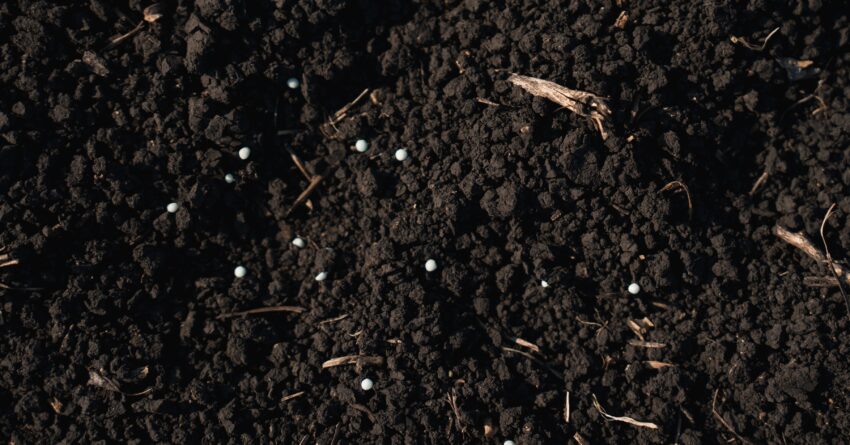
Are you familiar with enhanced efficiency fertilizers (EEFs)? On this episode of The Agronomists by Real Agriculture, industry experts Dale Cowan with AGRIS Co-op, Ray Dowbenko, independent agronomist, and Dr. Mario Tenuta with the University of Manitoba share insights on nitrogen loss, how EEFs work, and when and how to use them. Here are some of the highlights:
Nitrogen loss
There are many benefits of reducing nitrogen loss, including increased ROI. It’s important to look at what forms of nitrogen loss are prevalent on your farm to select the right EEF product for your farm.
Reducing nitrous oxide emissions
In Western Canada, spring planting is typically the wettest period of the year, which is also when we see the most nitrogen loss through denitrification. Dr. Mario Tenuta shares trial data to support the use of split nitrogen applications to reduce this form of nitrogen loss.
Nitrogen leaching
While not the most prevalent form of nitrogen loss across the prairies, wet conditions and certain soil textures are prone to leaching. With conventional sources, nitrogen sits in the soil in the water-soluble form and can be quickly lost when excess moisture is present. Under severe conditions, leaching can result in losses of up to 50 to 60 percent of your applied nitrogen.
Enhanced efficiency nitrogen fertilizer categories
There are two categories of EEFs: slow/controlled-release and inhibitors/stabilizers. Most of us know why we want to protect our nitrogen, but it’s the how and when that we need to worry about. Be cognizant of which losses are more likely on your farm and which products can mitigate those. Dr. Mario Tenuta walks through the different categories and products in each.
When selecting a product, Ray Dowbenko suggests using EEFs as a risk management tool; look at your risk at the time and your risk in the future.
The right rate
Nitrogen is a cycle, which means there are several factors we need to consider when determining our fertilizer rate. We’re going to have some nitrogen that is immobilized, some that is in crop residues, and some that is in root systems. Add up all the ways that you are adding nitrogen to the nutrient bank for your crops to determine the appropriate application rate for your yield goals.
Listen to The Agronomists Ep 133: Choosing enhanced efficiency N products