
The Effect of Nitrogen on Nutrient Availability and Plant Growth
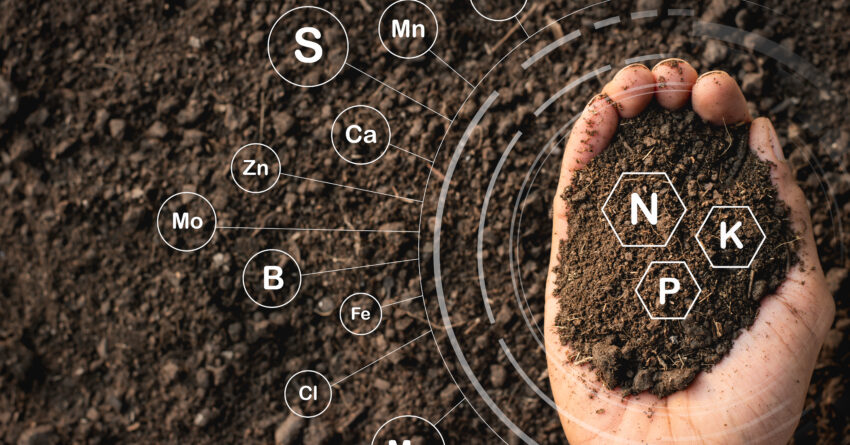
When you add nutrients to your soil, it’s not just your crops that interact with them—nutrients also interact with each other, which can positively or negatively affect their effectiveness. In some cases, this is because a deficiency in one nutrient is limiting the potential response to another nutrient. In other cases, the nutrients may directly interact with each other.
While nitrogen fertilizer often has the greatest benefit to crop yield, the only way it can be used efficiently is if the other nutrients in your fertilizer program are also sufficient.
Synergistic Versus Antagonistic
Nutrients can have synergistic or antagonistic relationships with one another. Nutrients with synergistic interactions provide greater yields when applied together versus when applied alone.¹ In most cases, additions of essential nutrients have a synergistic response. Nutrients with antagonistic interactions affect the amount of nutrients available for plant uptake and deliver a lower yield than if the nutrients were applied alone. This is most often noted when a specific nutrient is very deficient, and the problem is not addressed before adding other fertilizer.
Nitrogen and Phosphorus Interaction
Nitrogen and phosphorus are essential nutrients that are often applied as fertilizer to produce maximum economic yields. While nitrogen is typically the focus for most farmers, applying these nutrients together can cause a synergistic interaction with a potential yield greater than when the nutrients are applied on their own. Kansas State University Agronomist, Dr. Alan Schlegel, measured this synergistic reaction by applying nitrogen and phosphorus together on corn crops. He found that applying the nutrients together could increase yields by up to 225%.
Nitrogen and phosphorus can directly affect plant uptake. A review published by the National Library of Medicine found that adequate supplies of nitrogen can positively impact the uptake of phosphorus.³ They also found that phosphorus deficiency can negatively impact nitrogen uptake. These nutrients work together to support plant root development and mutually increase uptake. Roots will rapidly develop around a concentrated source of fertilizer to impact uptake. For example, rapid root growth near a nitrogen fertilizer band may also increase the uptake of phosphorus fertilizer. Dr. Schlegel’s research found that nitrogen fertilizer recovery rates were more than 25% greater when applying these nutrients together.³
Nitrogen and Potassium Interactions
Nitrogen and potassium are also known for their synergistic interactions in the soil. When applied together, nitrogen and potassium can improve nitrogen use efficiency and increase crop yields.⁴
The availability of potassium has a direct effect on nitrogen uptake. Field experiments have shown that yield responses to nitrogen decrease when potassium availability is below the optimum level.⁵ Thus, growers cannot unlock the full potential of their nitrogen without an adequate supply of potassium.
Potassium and nitrogen also work together to sustain the development and expansion of a crop’s leaf canopy during plant growth.⁵ Without sufficient potassium, crops will struggle to use water, handle stress and maximize nitrogen efficiency.
Nitrogen and Sulfur
Nitrogen and sulfur also interact with each other in your soil. While research is ongoing and the relationship is most commonly observed in extreme conditions, some research is available to explain their interactions.
The availability of nitrogen will affect the sulfur demand of your crops and vice versa.⁶ In extremely sulfur deficient soils, the deficiency will be more pronounced with a high supply of nitrogen than with a low supply of nitrogen. While the reason for this is still unanswered, it explains why symptoms of sulfur deficiency appear at high rates of nitrogen rather than at lower rates. Research in Western Canada has demonstrated this effect—if a canola crop is extremely sulfur deficient, the addition of nitrogen fertilizer may not increase yield, and in some cases, may actually decrease yields.⁷ Exact ratios of nitrogen and sulfur for canola are not needed, but both must be supplied in sufficient quantities to ensure maximum nutrient efficiency.⁸ It is likely that these lessons in nitrogen and sulfur balance in canola are also relevant to all other crops.
Improving Your Nitrogen Program
The more you understand about the way that nutrients interact with each other in your soil, the better potential you have for achieving your goals and making the most of your fertilizer investment. As your field’s most costly and important input, protecting the nitrogen you apply to your field is essential to your success. Innovative fertilizer technologies like ESN can help you protect your nitrogen from loss and help you make the most of your nitrogen investment. When the nitrogen you apply is protected and used efficiently, the other nutrients in your fertilizer program will benefit. Explore the difference that environmentally smart nitrogen can make in your field today when you contact your local rep.
Dig deeper into nutrient interactions and tips for successful nutrient management with the following resources:
Take Advantage of Phosphorus and Nitrogen Interactions For Corn
Building A Soil Nutrient Bank To Maximize Yield Potential
Sources:
¹Verdesian Life Sciences, Antagonistic and Synergistic Nutrient Interactions in Soil
³National Library of Medicine, Interaction Between Macro‐ and Micro-Nutrients in Plants
⁴International Potash Institute, The Effects of Nitrogen Form on Interactions with Potassium
⁵Potash Development Association, Nitrogen and Potassium Interactions
⁶Biocyclopedia, Interactions Between Sulfur and Other Minerals