
Storing ESN on Your Farm Over Winter
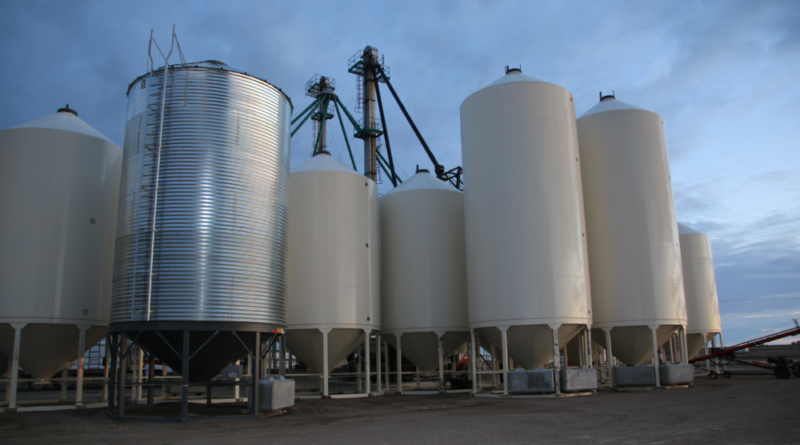
Fertilizer is an investment. You purchase it to increase soil health and yields, and you rely on it to perform well in the field. If you’re thinking about storing ESN on-farm this winter, read on for a few of our top tips for overwinter storage.
Smarter Storage
Moisture uptake is a serious challenge when it comes to storing N. The best way to combat this problem is by using a controlled release fertilizer with a protective coating like ESN SMART NITROGEN. ESN’s polymer coating helps to prevent the N from taking in moisture from the air. Fertilizers without a coating are more prone to moisture intake, which can result in granules caking together and becoming difficult to remove from bins and apply in the springtime.
Depending on your storage situation and fertilizing strategy, you may be looking at storing blends of fertilizer. Though no official research has been done on the topic, farmers and retailers often suggest that when storing fertilizer without a protective coating, mixing a blend that includes 10 to 15 percent ESN can be very beneficial. Learn more about reducing clumping in dry fertilizer blends with ESN.
ESN’s physical properties — lower angle of repose, low hygroscopicity, less bridging in the bin, more free-flowing than conventional fertilizers — result in several notable differences pertaining to storage and application. One of the primary storage benefits of ESN is that it can be stored for longer periods of time than conventional fertilizers because it does not readily absorb moisture from the air and cake in the bin.
ESN vs. Urea Storage
With ESN, bin capacity will be less than for conventional urea, usually around 75% of urea capacity. However, ESN weighs approximately the same as urea at 48 pounds per cubic foot. The angle of repose on ESN is 19.6 degrees compared to 30 degrees for urea.
Top Storage Tips For Flat Surface Storage Sheds
- Bulkheads are recommended to prevent outward flow from bins, as ESN is more fluid than other dry fertilizers.
- Bin sidewalls should be reinforced concrete when possible or braced if older, weaker and/or wooden, to allow for pressure on sidewalls.
- Avoid storage of ESN in the same facility as ammonium nitrate.
Learn more about storing and handling ESN or contact your local rep for more information.